
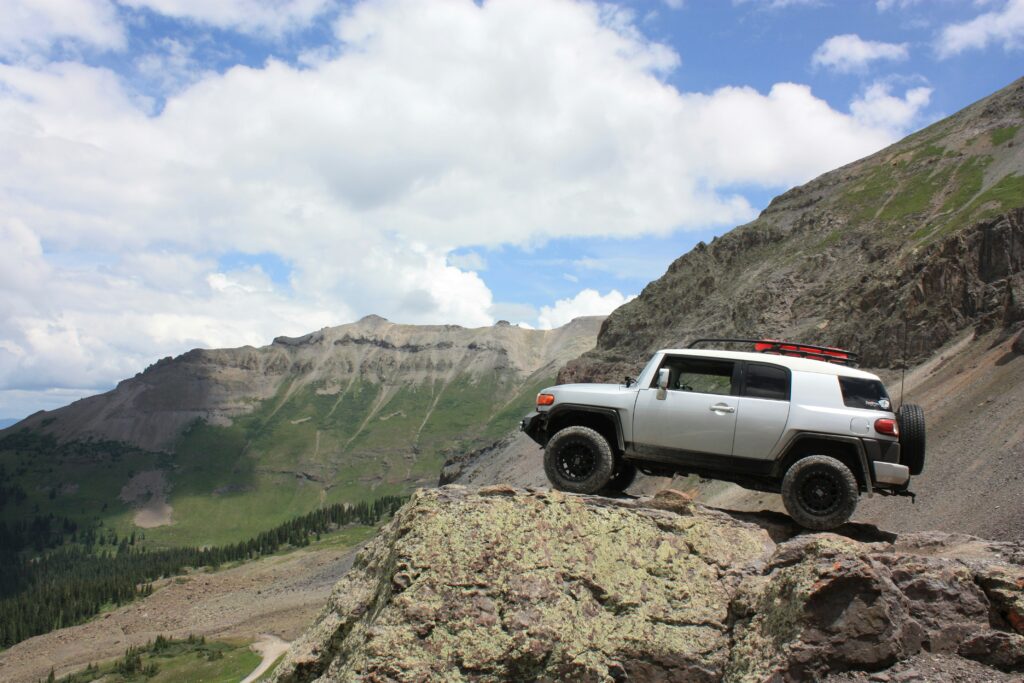
Finding the best car for off-road camping is essential if you want to explore beyond the beaten path. For this, your car must be reliable, capable of handling rugged terrain, and comfortable for longer journeys. Off-road camping cars need high ground clearance, powerful engines, and four-wheel or all-wheel drive. SUVs, trucks, and compact SUVs each offer unique advantages for off-roading and camping, but it’s important to weigh these carefully based on your specific needs.
Large SUVs like the Toyota 4Runner and Ford Bronco are popular choices among outdoor enthusiasts. Built with off-roading in mind, these SUVs can handle rough terrain and provide ample cargo space. The 4Runner, known for reliability, has high ground clearance and can withstand rocky trails and muddy paths, making it a reliable option for multi-day camping trips. Similarly, the Ford Bronco has the power and durability to make difficult trails manageable, thanks to its body-on-frame construction and available off-road packages that add features like skid plates and better suspension. These SUVs not only handle rough terrain but also have comfortable interiors that make longer trips more enjoyable. However, they can consume more fuel than smaller SUVs or trucks, so that’s something to consider if you plan on remote or extended adventures.
If you’re looking for more cargo space and towing capacity, midsize trucks like the Toyota Tacoma and Ford Ranger are excellent options for off-road camping. These trucks handle rough trails well and can carry more weight than compact SUVs. The Toyota Tacoma, for instance, is a top choice among truck campers due to its impressive off-road capability and reliability. It comes with options for four-wheel drive, and you can add off-road tires for better traction. With a truck, you get the advantage of a bed for storing camping gear, and with proper setups, you can even camp in the bed or add a rooftop tent. Trucks do have their limitations; while they offer plenty of storage in the bed, they may lack enclosed interior space, which can be a downside in bad weather or colder climates. Still, the flexibility and durability of midsize trucks make them ideal for adventurous campers who need to carry larger loads.
For those who may not need extreme off-road power but still want to explore light trails and unpaved roads, compact SUVs like the Subaru Outback and Honda Passport offer a good balance. These vehicles tend to be more fuel-efficient and manageable on city roads than larger SUVs or trucks. The Subaru Outback, in particular, has built a reputation among campers for its reliable all-wheel drive, moderate ground clearance, and relatively low fuel consumption. While it may not be suitable for extreme off-roading, the Outback handles gravel roads and mild trails with ease and offers comfortable seating for long drives. This makes it ideal for people who want a vehicle that can double as both a daily driver and a weekend camping car. For light camping trips that don’t involve heavy equipment, compact SUVs like these provide a practical solution.
When choosing an off-road vehicle, especially if it’s used, it’s crucial to know the car’s history to avoid unexpected issues. There’s nothing worse than getting stranded due to a mechanical failure while far from help. When possible, get a complete vehicle history and, if possible, invest in a thorough inspection before purchase. If you’re just getting into driving, this excitement is familiar. Nick, owner of Smooth Learning Driving School, notes how thrilling it is for young people to gain the independence of driving and begin exploring. “It’s an exciting opportunity getting to adventure and explore the world using the steering wheel placed beneath your fingers,” he says. “When young people first get their license, they just can’t wait to get out there and go wherever, whenever. It’s awesome being able to help them gain that ability through our Central Coast Driving Lessons.” Driving off-road requires that same eagerness but also demands responsibility and vehicle awareness to avoid issues in tough conditions. Knowing your car’s history and having some basic off-road skills can make the experience smoother.
Besides reliability, fuel efficiency is another consideration for off-road camping vehicles. Many trails and camping areas are located far from fuel stations, so it’s important to consider how much fuel your car will consume on longer trips. Larger SUVs and trucks tend to be less fuel-efficient, which can be an issue on multi-day trips in remote areas. However, some newer models are designed with better fuel efficiency and larger fuel tanks, giving campers more range between refuelling stops. This can make a big difference if you plan on traveling through regions with few amenities. For those who prioritize fuel efficiency, compact SUVs or even hybrid models may be a better option, as they offer extended range with lower fuel consumption.
Comfort is also essential for off-road camping, especially on long trips. Since off-road camping often involves rougher rides, features like good suspension, ample legroom, and supportive seating become even more valuable. Many off-road-friendly SUVs and trucks now include adjustable seating and climate control, making them more comfortable for extended trips. Additionally, some adventurers invest in modifications like rooftop tents or build sleeping platforms in the back of SUVs or trucks. These customizations allow for better sleep and more convenient access to camping gear, making camping trips more enjoyable. Vehicle modifications also help maximize space, which can be valuable if you’re carrying camping essentials like food, water, and cooking equipment. If you want a car that’s versatile enough to adapt to all kinds of camping setups, an SUV or truck with aftermarket options is a good choice.
Choosing the best off-road camping car is about finding a balance between capability, comfort, reliability, and efficiency. Larger SUVs like the Toyota 4Runner or Ford Bronco are reliable for tough trails and long-distance travel. Midsize trucks like the Toyota Tacoma provide a solid choice for those who need a bit more storage and towing capacity. Compact SUVs like the Subaru Outback offer a versatile option for campers who want to mix light off-roading with everyday driving. Just as Nick from Smooth Learning Driving School points out, the joy of exploring starts with gaining the freedom and skill to go wherever you want, and that freedom only grows with the right vehicle for off-road camping.